 Skip to content
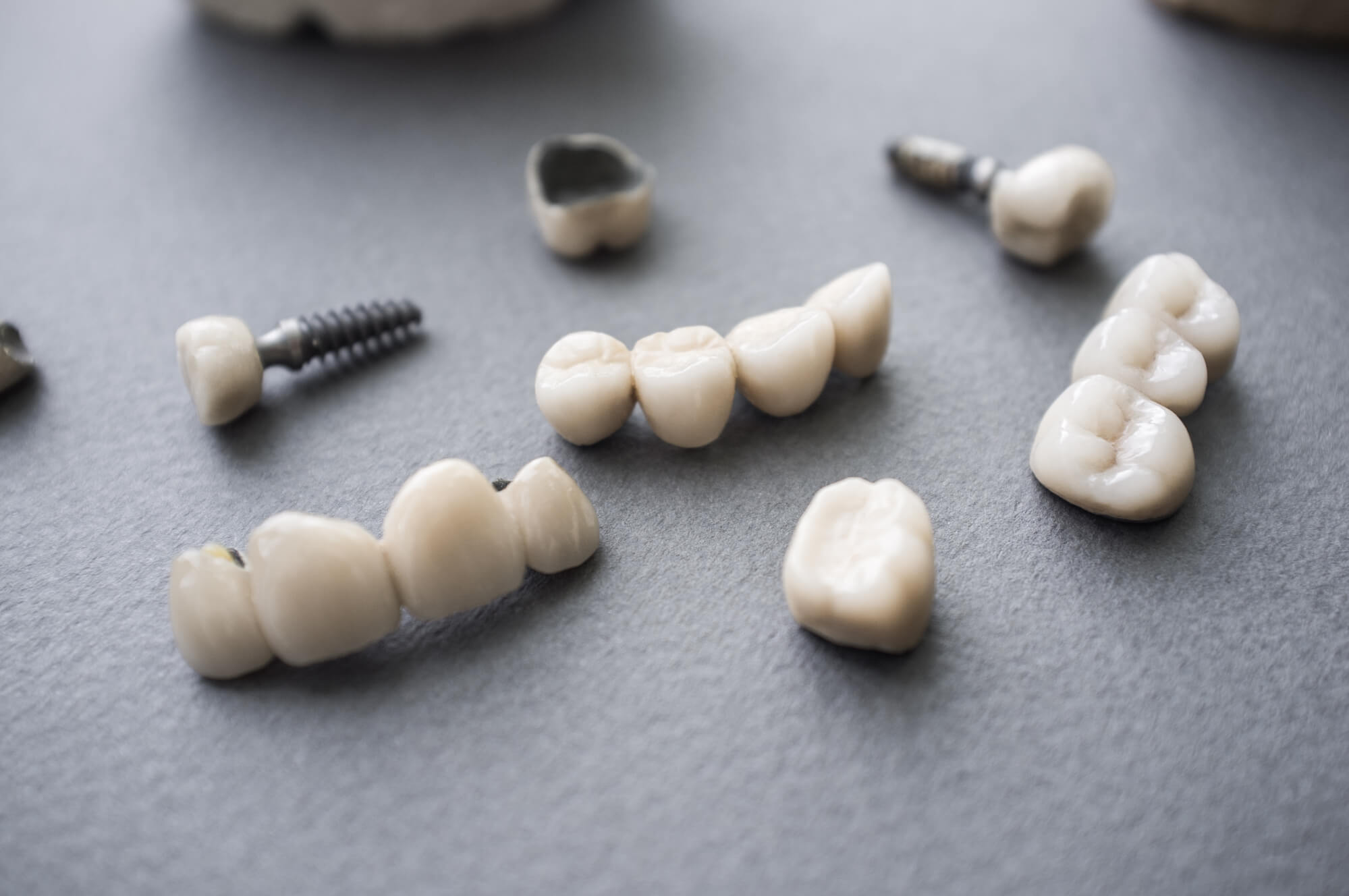
At some point, most people face a moment when they look in the mirror and realize their teeth are no longer the way they want them. A crown fell off. A cavity went ignored for too long. A tooth was lost to an accident or gum disease. The dental work they had done years ago isn’t holding up anymore. Whatever brought you here, there’s one important thing to understand: almost all of it can be fixed. That’s what restorative dentistry is for.
At Jupiter Dentistry, Dr. Jay Ajmo and our team work with patients every day who come in with years of deferred dental care, damaged teeth, or significant tooth loss. Restorative dentistry isn’t about perfection. It’s about function, comfort, and giving you a smile you’re not hiding. This guide covers everything you need to know about what restorative dentistry includes, who it’s for, and what the process actually looks like at our Jupiter, FL practice.
Are you ready to rebuild your smile? Contact our dentist in Jupiter today by calling (561) 575-5599.
What Restorative Dentistry Actually Means
Restorative dentistry is the branch of dental care focused on repairing or replacing teeth that are damaged, decayed, broken, or missing. The goal is to restore normal function: chewing, speaking, and distributing bite pressure the way a healthy mouth should. Aesthetics often improve as a result, but that’s a side effect of good restorative work, not the primary objective.
This distinguishes restorative care from cosmetic dentistry, which focuses on appearance improvements in teeth that are already healthy. A patient getting veneers to brighten their smile is in cosmetic territory. A patient getting a crown to protect a cracked molar is in restorative territory. Many patients need both, and the two often overlap, but understanding the distinction helps clarify what your insurance may cover and what treatment priority makes sense.
Our restorative dentistry services at Jupiter Dentistry span a wide range of treatments, from simple fillings to full-mouth reconstruction. What they all share is a focus on bringing your teeth back to where they need to be, structurally and functionally.

The Treatments That Fall Under Restorative Dentistry
Restorative dentistry isn’t a single procedure. It’s an umbrella that covers many different treatments, chosen based on the type and extent of damage present. Here’s what that typically includes.
- Tooth-colored fillings. When decay removes tooth structure, a filling restores the shape and seals the tooth. Modern composite resin fillings match the natural color of your teeth, so there’s no visible metal. They bond directly to the tooth, which allows for a more conservative preparation. Our tooth-colored fillings are used for everything from small cavities to moderate decay.
- Dental crowns. A crown is a full coverage restoration that encases a damaged, weakened, or significantly decayed tooth to restore its strength and shape. Dental crowns are recommended when a tooth has too much damage for a filling to hold, after a root canal, or when a tooth has cracked. Dr. Jay Ajmo uses CEREC technology at our Jupiter, FL office to fabricate crowns in a single visit in many cases, which means no temporary crown and no second appointment.
- Root canal therapy. When decay or damage reaches the inner pulp of a tooth, infection sets in. Root canal therapy removes the infected tissue, cleans and seals the canal, and saves the tooth from extraction. The procedure has a reputation that far exceeds its actual discomfort — most patients are surprised at how manageable it is. A crown typically follows to protect the treated tooth.
- Dental implants. When a tooth is lost and cannot be saved, an implant is the most durable and natural-functioning replacement available. A titanium post is placed into the jawbone, integrates over a few months, and supports a custom crown. Implants preserve jawbone density in a way that bridges and dentures cannot. If you’re unfamiliar with how the process works, our guide on how dental implants work is a good starting point.
- Bridges. A dental bridge replaces a missing tooth by anchoring a false tooth between two crowns placed on adjacent natural teeth. Bridges are a fixed option that doesn’t require surgery, making them appropriate for patients who aren’t candidates for implants. The tradeoff is that healthy neighboring teeth must be prepared to support the bridge.
- Dentures and implant-supported dentures. For patients with extensive tooth loss, dentures replace a full arch or multiple teeth. Traditional dentures rest on the gumline. Implant-supported dentures are anchored to posts in the jawbone, which dramatically improves stability, chewing function, and comfort. Understanding how implants compare to bridges and dentures can help you choose the right path.
- Full-mouth reconstruction. Some patients need extensive work across multiple teeth or both arches. Full-mouth reconstruction combines restorative treatments in a planned sequence to rebuild the bite, replace missing teeth, and restore damaged ones comprehensively. This is not a single procedure but a coordinated treatment plan.
What Happens If You Keep Putting It Off
Dental problems seldom resolve on their own. A small cavity becomes a large cavity. A large cavity reaches the pulp and requires a root canal. An untreated infection spreads and may cost you the tooth entirely. A missing tooth causes neighboring teeth to shift and bone to resorb, which makes future restoration more complex and expensive.
The patients who end up needing the most extensive restorative work are rarely people who were negligent. More often, they’re people who didn’t have access to care, or who kept meaning to call but let months turn into years. Life gets in the way. We understand that, and we don’t approach restorative care with judgment.
How Dr. Jay Ajmo Approaches Restorative Care
At Jupiter Dentistry, restorative treatment planning starts with a thorough assessment. Dr. Ajmo reviews digital X-rays, takes a full set of intraoral photographs, and evaluates your bite, gum health, and bone levels before recommending any treatment. This matters because restorative work doesn’t exist in isolation: a crown placed on a tooth with active gum disease will fail prematurely. A bridge built into a compromised bite will create new problems. Sequence and foundation matter.
We also talk through what you want. Some patients come in wanting every problem addressed at once. Others need to prioritize based on urgency or budget. We build a treatment plan that’s realistic for your situation and explain the clinical reasoning behind each recommendation. You’ll never be handed a treatment list without understanding why each item is on it.
For patients coming in after a long gap in dental care, the first appointment is usually about understanding the full picture: what needs attention now, what can wait, and what the best sequence is. There’s no pressure and no judgment. Jupiter Dentistry offers a complimentary consultation for patients who want to explore their options before committing to treatment.
Restorative Dentistry Patients in Jupiter, FL
Restorative dentistry is appropriate for essentially any adult dealing with dental damage. You don’t need to have severe problems to benefit. Common situations that bring patients to our office include:
- Cavities that have been filling the back of your mind as long as they’ve been sitting in your teeth
- A cracked or broken tooth from biting something hard or an old injury
- A crown, bridge, or filling that has come loose or worn down
- One or more missing teeth, whether from extraction, gum disease, or trauma
- Tooth pain or sensitivity that signals something deeper is going on
- Old metal fillings you’d like replaced with something more aesthetic and better sealing
- Preparation for cosmetic work — restorative issues generally need to be resolved before veneers or whitening make sense
We serve patients from Jupiter, Tequesta, Palm Beach Gardens, and throughout northern Palm Beach County. If you’ve been searching for a dentist who handles restorative work comprehensively, not just single-tooth fixes but the full picture, we’d encourage you to read about our approach to full-mouth restoration at a single practice.
How Do I Know Which Restorative Treatment I Need?
You won’t know until a dentist examines you, and that’s okay. Restorative treatment planning requires X-rays and a clinical exam to understand the extent of damage, the health of surrounding bone and tissue, and the condition of neighboring teeth. Dr. Ajmo will walk you through the findings and explain the options. For patients who have complex situations or want a second opinion before committing, we offer complimentary consultations at our Jupiter, FL office.
Ready to get started? Call Jupiter Dentistry at (561) 575-5599 or visit us in Jupiter, FL. Whether you need a single filling or a comprehensive treatment plan, our team is here to help you understand your options and take the next step with confidence.