

Consequences of Delayed Implant Treatment
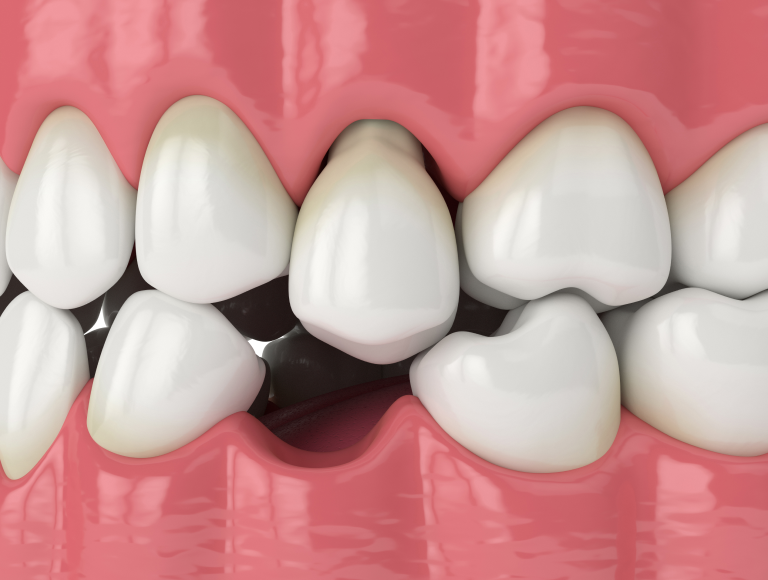
Dental implants are a magnificent solution to tooth loss because they comprehensively treat many of the health issues surrounding missing teeth. Dental and overall health problems associated with tooth loss include a higher risk of dental infection, bone loss, and even an increased risk of heart disease. That’s why it’s crucial to treat the problem before it develops into something bigger and more expensive to treat.
Dr. Jay Ajmo and Dr. Tagg lead Jupiter Dentistry, and they’re highly experienced, trained, and skilled dental professionals. Dr. Ajmo holds a mastership from the world-renowned Misch International Implant Institute and is a diplomate of the prestigious International Congress of Oral Implantologists.
If you would like an accurate and expert opinion, schedule your consultation with our Jupiter dental team by calling (561) 575-5599 and visiting our state-of-the-art facilities.
Health Risks Associated with Tooth Loss
-
Increased Risk of Bacterial Infection
Gaps between teeth are liable to trap food particles, and these spaces can be difficult to clean, especially if the missing tooth is toward the back of the mouth. The bacteria in your mouth consume food, especially carbohydrates, and they can cause diseases such as tooth decay and gingivitis. Cavities and gum disease can spread, leading to more dental work and possible bone and tissue loss.
-
Bone Loss
Our teeth keep our jawbone strong and healthy by transferring the force and energy of our chewing down to the bone tissue. It stimulates the process of bone regeneration. Tooth loss severs this connection between your teeth and the jaw, leading to jawbone deterioration. Over time, the problem can go from requiring a bone graft to restore the affected bone tissue to partial facial collapse, premature wrinkling around the jawline, and other oral health problems.
-
Connection to Heart Disease
Did you know that missing one to five teeth can increase your risk of heart disease by up to 21%? Gum disease is also associated with heart disease, and you’re at a higher risk of developing this if you have missing teeth. Your oral health is indeed an essential element in the foundation of good overall wellbeing.
-
Connection to Anxiety and Depression
Your emotional health is at risk as well. Tooth loss is strongly associated with issues such as depression and anxiety. The connection makes sense because our teeth are a significant part of our appearance. If we lack confidence in our appearance, how can we be happy? How can we be happy if we are ashamed to smile?
Tooth loss is a problem that’s best solved as soon as possible. Don’t put yourself at greater risk. Visit us to learn more about your options, meet the team, and take a tour of our state-of-the-art facilities. Jupiter Dentistry is built around your comfort and will deliver results beyond your expectations.
Frequently Asked Questions
-
How does tooth loss lead to bone loss in the jaw?
Your teeth stimulate the jawbone through the force of chewing. This stimulation triggers bone regeneration and keeps the jaw strong and healthy. When a tooth is missing, the jawbone no longer receives this stimulation in that area. Without the signal to regenerate, the bone begins to deteriorate. Over time, this can lead to significant changes in your facial structure, including a sunken appearance, increased wrinkles around the jaw and mouth, and difficulty wearing dentures. Dental implants mimic natural teeth by transferring chewing forces to the bone, preserving bone density.
-
What are the long-term costs of waiting for implant treatment?
Delaying implant treatment often increases costs significantly. Bone loss may require expensive bone grafting procedures before an implant can be placed. Infections from trapped food and bacteria can require extensive dental work including extractions and tissue grafts. Shifting teeth from the gap may necessitate orthodontic treatment. The cumulative cost of treating these complications typically exceeds the cost of placing an implant promptly. Additionally, extended tooth loss means more time experiencing discomfort, functional limitations, and emotional distress. Early treatment is both more affordable and less complex.
-
How soon should I get a dental implant after tooth loss?
The ideal time to place an implant is within 6 and 12 months after tooth loss, before significant bone deterioration occurs. However, implants can still be placed years later with the help of bone grafting if needed. The sooner you seek treatment, the more jawbone you preserve and the simpler the procedure. Waiting increases the risk of complications like bone loss, tooth shifting, infections, and the need for additional procedures. If you’ve experienced tooth loss, consult with an implant specialist like Dr. Dylan Tagg at Jupiter Dentistry to discuss your timeline and options.

Complimentary Consultation
or 2nd Opinion
- Exam
- Full mouth X-rays
- Private Consultation with Doctor ($350 value)
 2151 FL A1AAlt #1300,
Jupiter, FL 33477 (561) 575-5599
- Monday: 8am - 5pm
- Tuesday: 8am - 5pm
- Wednesday: 8am - 5pm
- Thursday: 8am - 5pm
- Friday - Saturday - Sunday: Closed